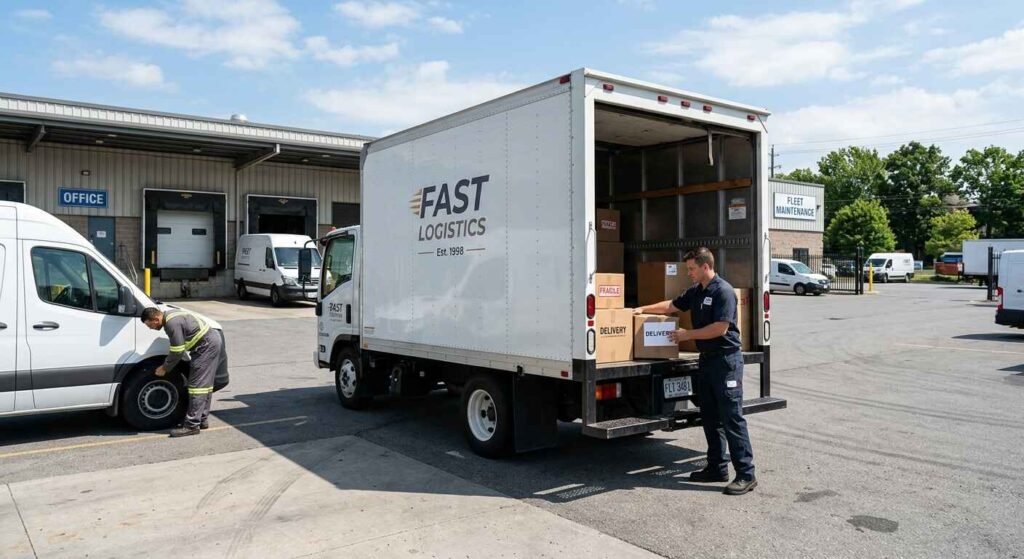
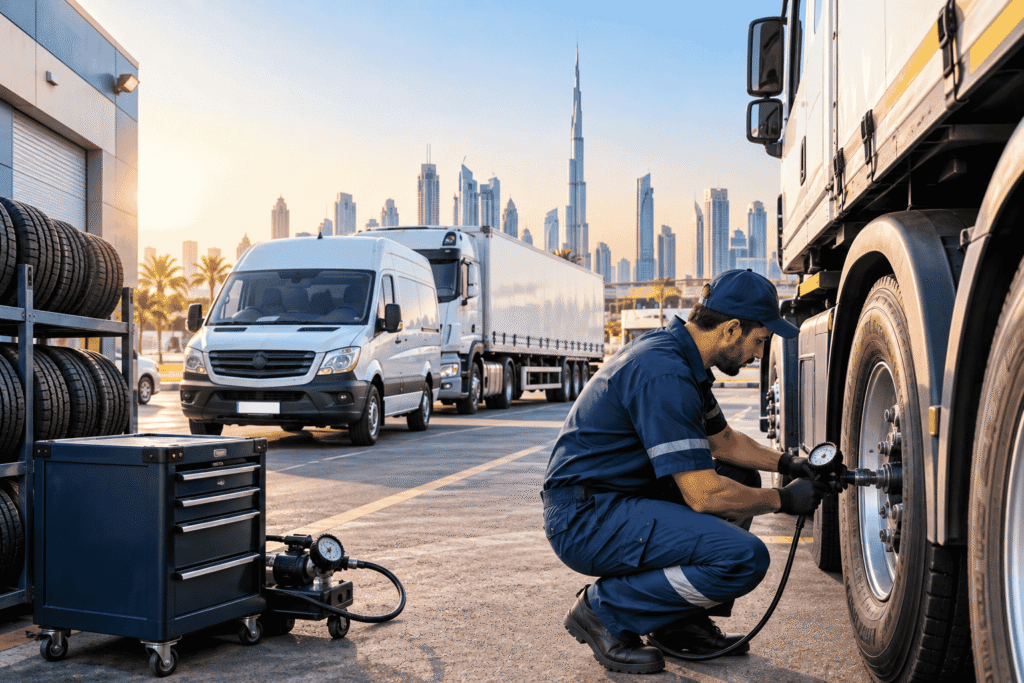
For businesses that depend on vehicles every day, keeping a fleet on the road is essential. Delivery vans, company cars, commercial vehicles, and service vehicles all need to be reliable and safe.
One of the most important parts of fleet maintenance is regular tyre care.
Tyres are the only part of a vehicle that maintains direct contact with the road, so their condition can have a major impact on safety, efficiency, and business operations.
Reduce Unexpected Vehicle Downtime
A tyre problem can happen at any time. A puncture, damaged tyre, or worn tread can take a vehicle out of service and potentially delay deliveries or appointments.
Regular tyre inspections can help businesses identify problems before they become unexpected breakdowns.
Improve Fleet Safety
Business vehicles often travel long distances and may spend many hours on the road.
Checking tyre pressure, tread depth, and overall tyre condition regularly can help reduce the risk of tyre-related problems.
Properly maintained tyres can also provide better grip and handling in different road conditions.
Help Control Operating Costs
Poorly maintained tyres can contribute to unnecessary vehicle expenses.
Incorrect tyre pressure can increase rolling resistance, which may affect fuel consumption. Driving on damaged or excessively worn tyres can also lead to additional repair or replacement costs.
A proactive tyre maintenance plan can help businesses manage these expenses more effectively.
Keep Your Business Moving
For many companies, a vehicle isn't simply transportation—it is part of the business.
A delivery vehicle that cannot operate can mean:
- Delayed deliveries
- Missed appointments
- Reduced productivity
- Customer dissatisfaction
- Additional recovery costs
Regular maintenance helps reduce the chances of these disruptions.
Fleet Tyre Services for Businesses
Businesses with multiple vehicles can benefit from having a consistent tyre maintenance schedule. Inspections, replacements, puncture repairs, and tyre checks can be organised around the fleet's requirements.