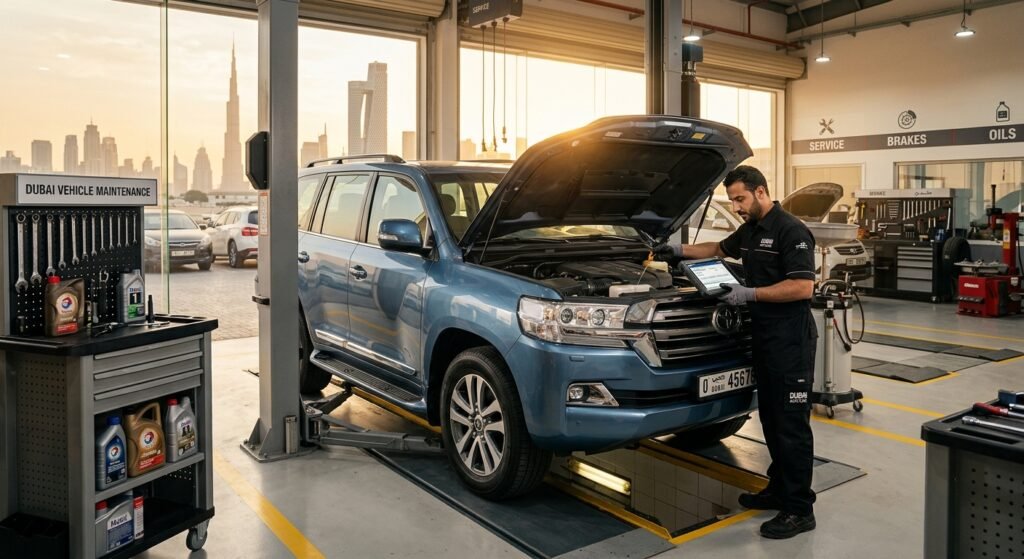
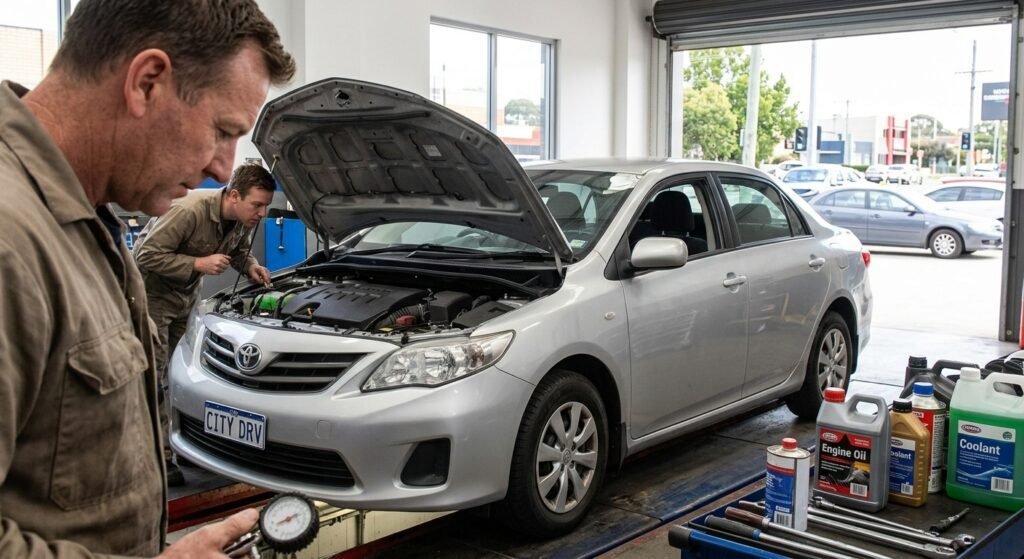
Dubai is known for its busy roads, long-distance commuting, high temperatures, and large number of vehicles. For many residents and businesses, a car is an essential part of everyday life. Whether you use your vehicle for commuting to work, taking the family around the city, or managing business deliveries, keeping it in good condition is essential.
Regular vehicle maintenance is one of the best ways to maintain your vehicle's reliability and reduce the risk of unexpected problems.
Why Vehicle Maintenance Matters
A vehicle consists of many different components that work together every time you drive. Engine components, tyres, brakes, battery, fluids, suspension, air conditioning, and electrical systems all require attention over time.
Some problems develop gradually and may not be noticeable at first. A tyre may slowly lose pressure, an engine oil level may decrease, or a battery may become weaker without immediately causing a major problem.
Regular inspections can help identify these issues before they become more serious.
Dubai's Climate Can Be Demanding on Vehicles
The hot climate in Dubai makes vehicle maintenance particularly important.
High temperatures can affect various parts of a vehicle, including:
- Tyres
- Battery
- Engine oil
- Cooling system
- Air-conditioning system
- Belts and hoses
- Other rubber components
Vehicles that spend several hours on the road every day may experience additional wear.
This is why drivers should pay attention to their vehicle's condition rather than waiting until a warning light appears or a component fails.
Tyres Deserve Special Attention
Tyres are among the most important safety components of any vehicle because they provide the contact between the vehicle and the road.
Drivers should regularly check:
- Tyre pressure
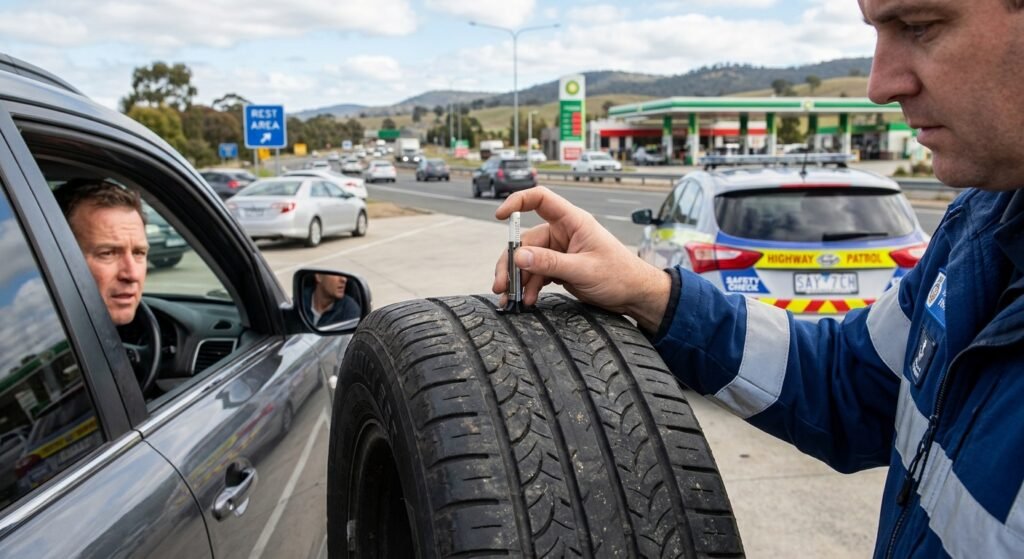
- Tread depth
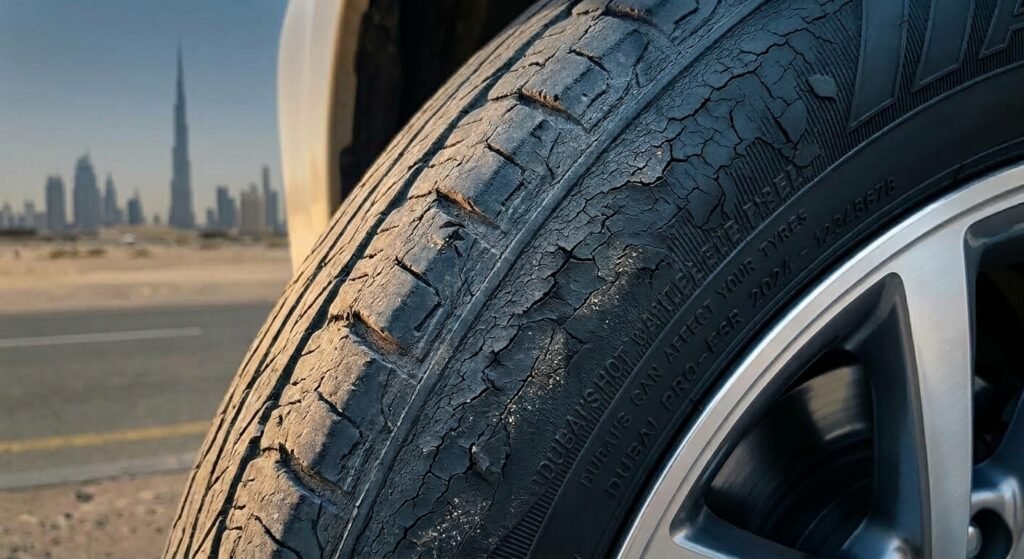
- Visible cracks
- Cuts or punctures
- Uneven wear
- Bulges or other damage
Incorrect tyre pressure can affect handling, braking, comfort, fuel efficiency, and tyre wear.
If a tyre appears damaged or excessively worn, it should be professionally inspected.
Engine Oil Should Not Be Ignored
Engine oil lubricates the internal components of the engine and helps reduce friction.
As oil ages, it can become contaminated and gradually lose some of its effectiveness. Following the vehicle manufacturer's recommended oil-change schedule is therefore an important part of routine maintenance.
Drivers should also pay attention to dashboard warning lights and unusual engine noises.
Battery Health Is Also Important
A weak battery can leave a driver unable to start the vehicle.
This can be particularly inconvenient if the problem occurs before work, during a journey, or in a remote location.
Warning signs can include slow engine cranking, dim lights, electrical issues, or difficulty starting the vehicle.
Regular battery checks can help identify a weakening battery before it completely fails.
Don't Wait for a Breakdown
One of the biggest mistakes drivers can make is waiting until something breaks before arranging maintenance.
Preventive maintenance allows smaller problems to be identified and addressed earlier. It can also help drivers understand when major components are approaching the end of their service life.