Tyres are often overlooked when drivers think about vehicle maintenance. Many people focus on engine servicing, fuel consumption, or cosmetic appearance while forgetting that tyres are directly responsible for maintaining contact with the road.
A vehicle can have a perfectly maintained engine, but if its tyres are worn, damaged, or incorrectly inflated, driving safety can still be affected.
Tyres Are Your Vehicle's Connection to the Road
Every acceleration, turn, and braking manoeuvre depends on the tyres.
They influence:
- Road grip
- Braking performance
- Steering response
- Vehicle stability
- Driving comfort
This is why tyre condition should be checked regularly.
Worn Tyres Can Affect Road Grip
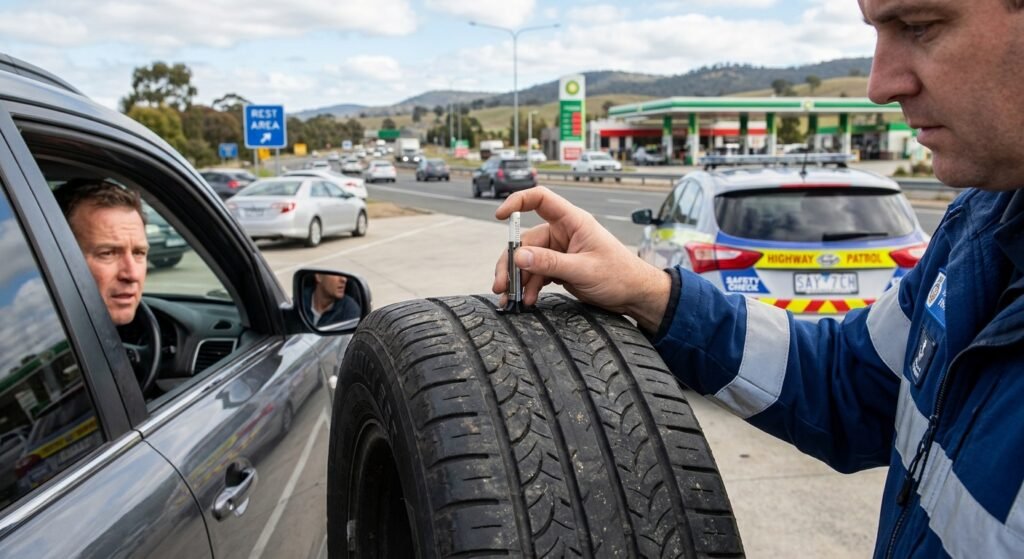
As tyres are used, their tread gradually becomes shallower.
Tread plays an important role in maintaining grip and helping the tyre handle water on wet roads.
Driving on excessively worn tyres can therefore reduce performance and increase safety risks.
Drivers should inspect their tyres regularly and replace them when they reach the appropriate replacement point.
Uneven Wear Can Be a Warning Sign
Not all tyre wear happens evenly.
If one part of the tyre is wearing significantly faster than another, it may indicate an underlying issue.
Possible causes can include:
- Incorrect tyre pressure
- Wheel alignment problems
- Suspension issues
- Incorrect balancing
- Driving patterns
- Component wear
Simply replacing the tyre without investigating the cause may result in the new tyre developing the same problem.
Check for Visible Damage
Drivers should look at their tyres regularly for obvious signs of damage.
These can include:
- Sidewall cuts
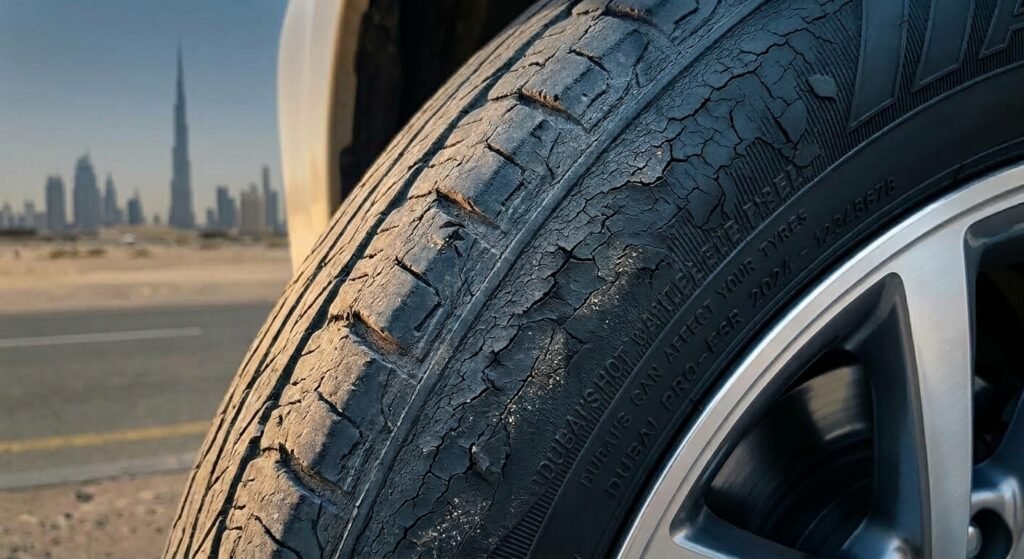
- Cracks
- Bulges
- Punctures
- Foreign objects
- Abnormal tread wear
A damaged tyre should be professionally inspected before continuing normal driving.
Correct Tyre Pressure Matters
Tyre pressure should be checked regularly, particularly before long journeys.
The recommended pressure is generally provided by the vehicle manufacturer and may be listed on the vehicle information label or in the owner's manual.
Drivers should avoid relying only on how a tyre looks because a tyre can be under-inflated without appearing obviously flat.
Tyre Age Also Matters
Tyres are not only affected by mileage. Age and storage conditions can also influence their condition.
A vehicle that is driven infrequently may still require tyre inspection if the tyres have been installed for a long time.
Visible deterioration should always be taken seriously.
Professional Inspection Provides Peace of Mind
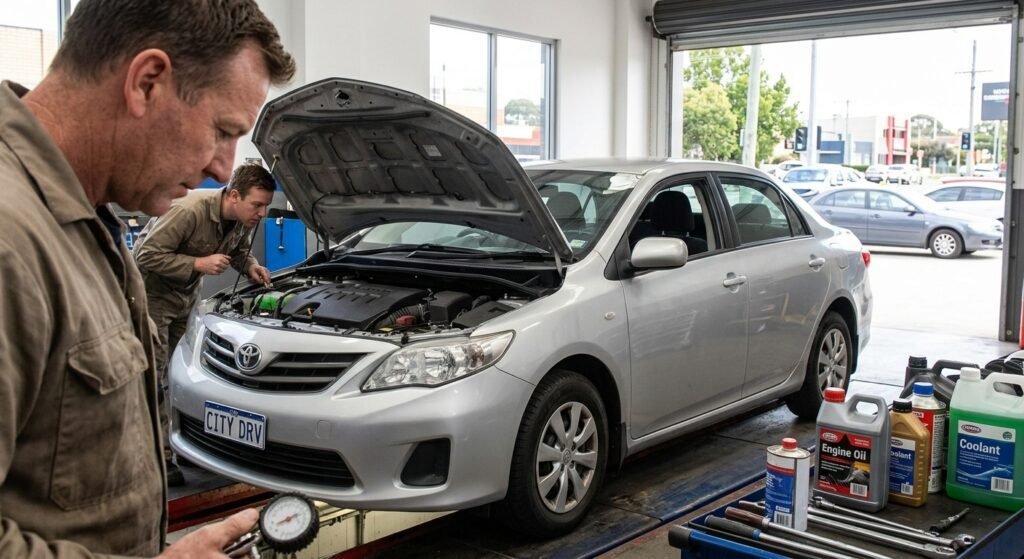
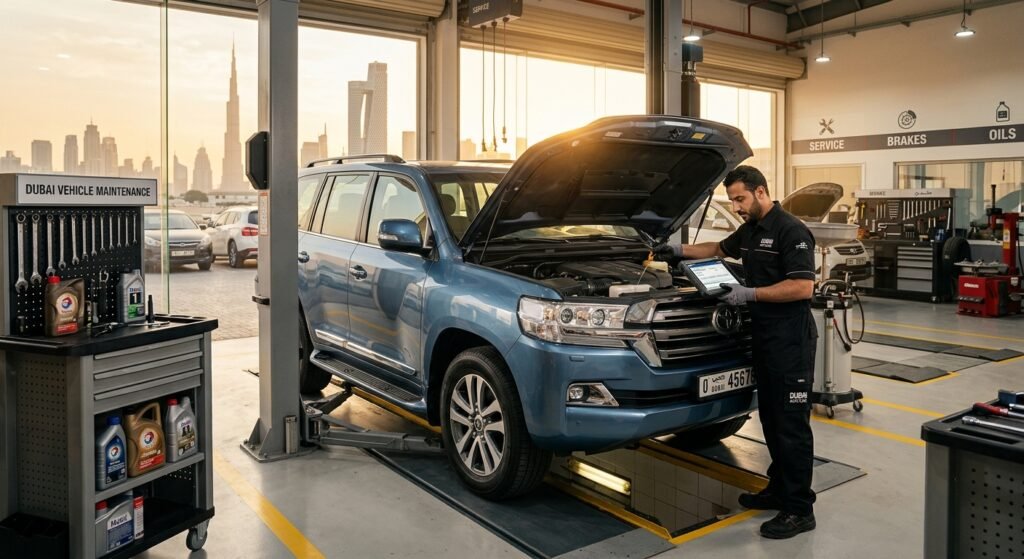
If you're unsure whether your tyres are still suitable, a professional inspection can help.
A trained technician can examine tread condition, pressure, visible damage, and wear patterns and advise whether the tyres need adjustment, repair, or replacement.