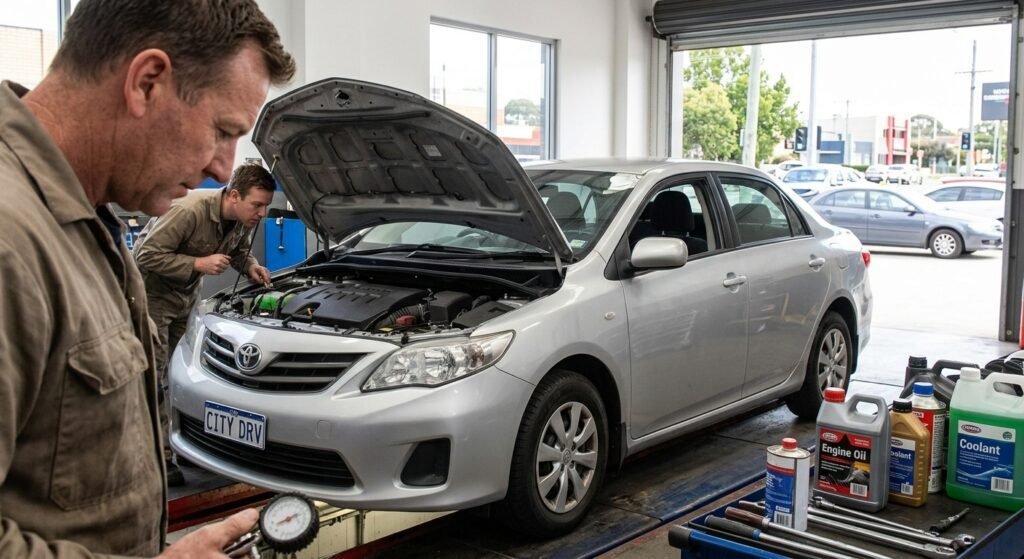
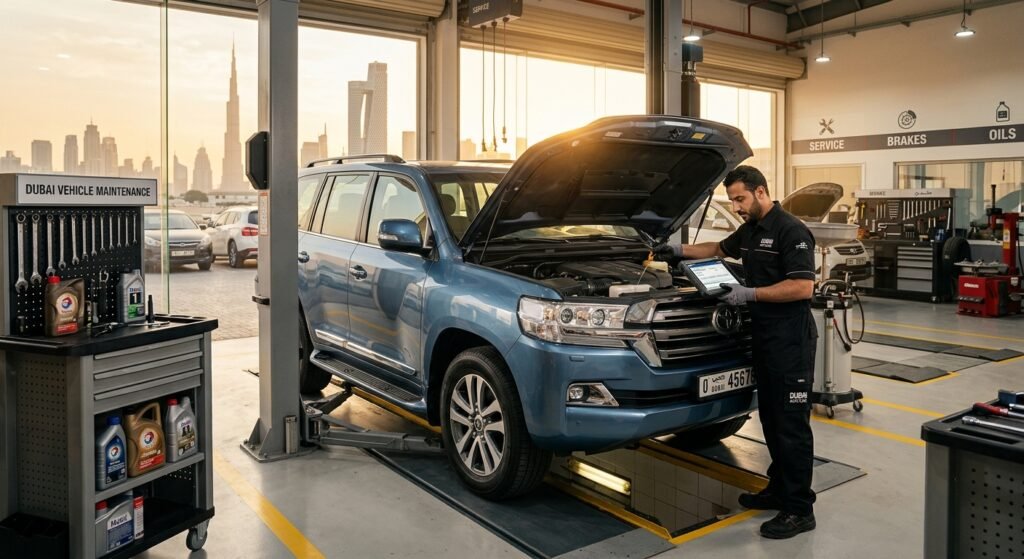
A reliable vehicle doesn't happen by accident. It requires regular attention, proper servicing, and awareness of early warning signs.
Many vehicle problems can be avoided or managed more easily when drivers develop a simple maintenance routine.
From checking tyres to monitoring engine oil and battery condition, a few basic checks can make a significant difference.
1. Check Your Tyres
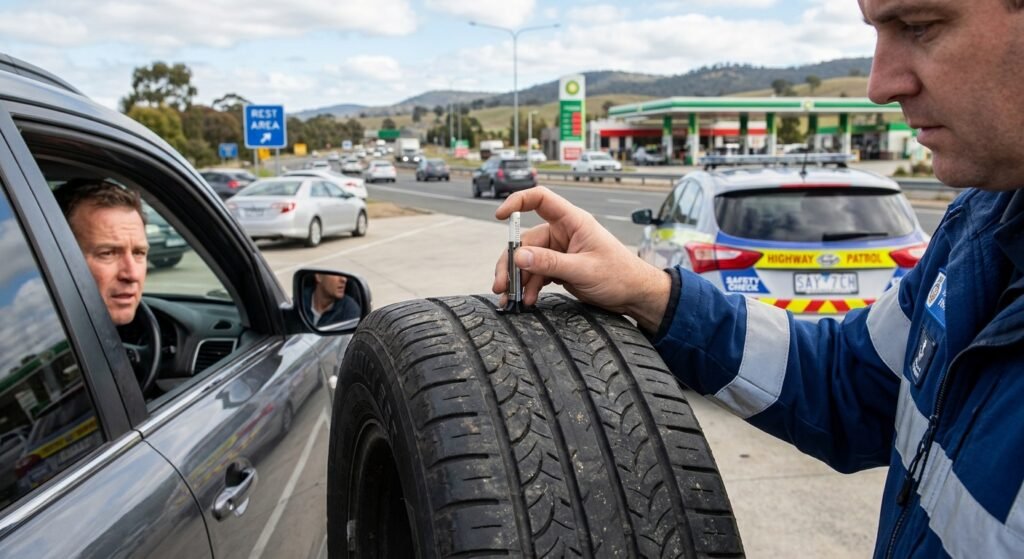
Tyres should be one of the first things drivers inspect.
Look for:
- Low pressure
- Uneven wear
- Cuts
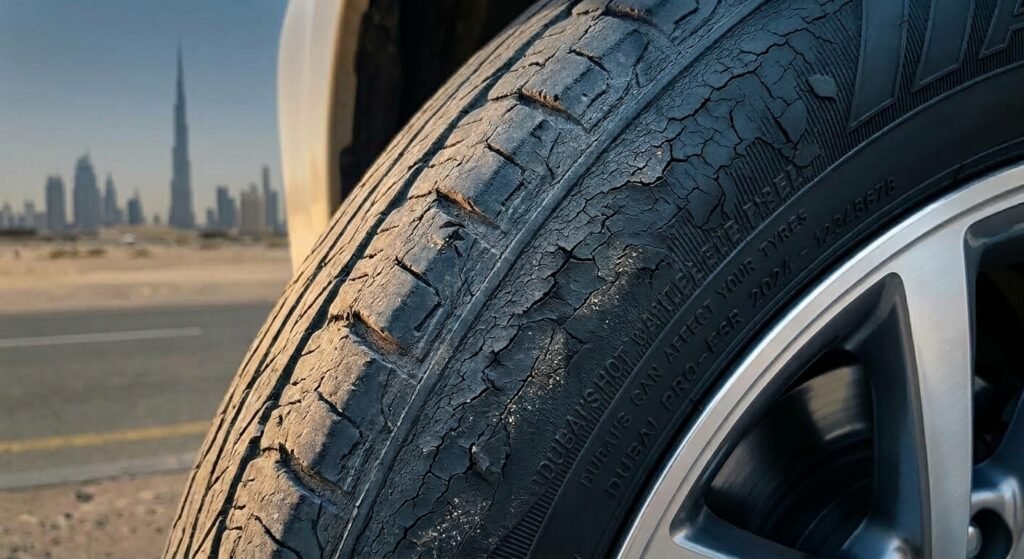
- Cracks
- Bulges
- Punctures
- Low tread
Also check the tyre pressure regularly and before longer journeys.
If the vehicle feels unusual while steering or driving, have the tyres and wheels inspected.
2. Monitor Engine Oil
Engine oil is essential for engine lubrication.
Drivers should follow the recommended oil-change schedule for their specific vehicle and use the appropriate oil specification.
If you notice an oil warning light, unusual engine noise, or signs of an oil leak, arrange an inspection promptly.
3. Pay Attention to Your Battery
A car battery can weaken gradually.
You may notice:
- Slower engine starting
- Dim headlights
- Electrical issues
- Warning messages
- Repeated starting problems
If these symptoms appear, a battery test can help determine its condition.
4. Don't Ignore Dashboard Warning Lights
Modern vehicles use dashboard warning lights to alert drivers when something may require attention.
While not every warning indicates an immediate emergency, warning lights should never simply be ignored.
If an unfamiliar warning appears, consult the vehicle owner's manual or have the vehicle inspected.
5. Listen for Unusual Sounds
Drivers spend a lot of time with their vehicles and can often recognise when something sounds different.
Unusual sounds such as:
- Grinding
- Squealing
- Clicking
- Knocking
- Humming
may indicate a mechanical issue.
The exact cause depends on the vehicle and circumstances, so professional diagnosis is recommended rather than guessing.
6. Pay Attention to Changes in Handling
If the vehicle begins pulling to one side, vibrating at certain speeds, or feeling different while braking, it should be inspected.
Such symptoms can sometimes be related to tyres, wheels, alignment, suspension, or braking components.
7. Follow Your Service Schedule
Perhaps the most important maintenance habit is following the manufacturer's recommended service schedule.
Regular servicing gives technicians an opportunity to inspect important vehicle components and identify potential issues.
It also helps maintain a record of the vehicle's maintenance history.
Why Preventive Maintenance Matters
Waiting until a vehicle breaks down can be stressful and expensive.
Preventive maintenance allows drivers to address smaller issues before they potentially develop into larger problems.
For business vehicles, this can be even more important because unexpected downtime can affect deliveries, appointments, employees, and customers.
Keep Your Vehicle Ready for Dubai Roads
Dubai drivers often deal with long journeys, heavy traffic, high temperatures, and demanding road conditions.
A vehicle that is properly maintained is better prepared for everyday driving.
Regular tyre checks, oil changes, battery inspections, servicing, and attention to warning signs can all contribute to better vehicle reliability.